Is Playing the Lottery Gambling Understanding Lottery Games and Gambling
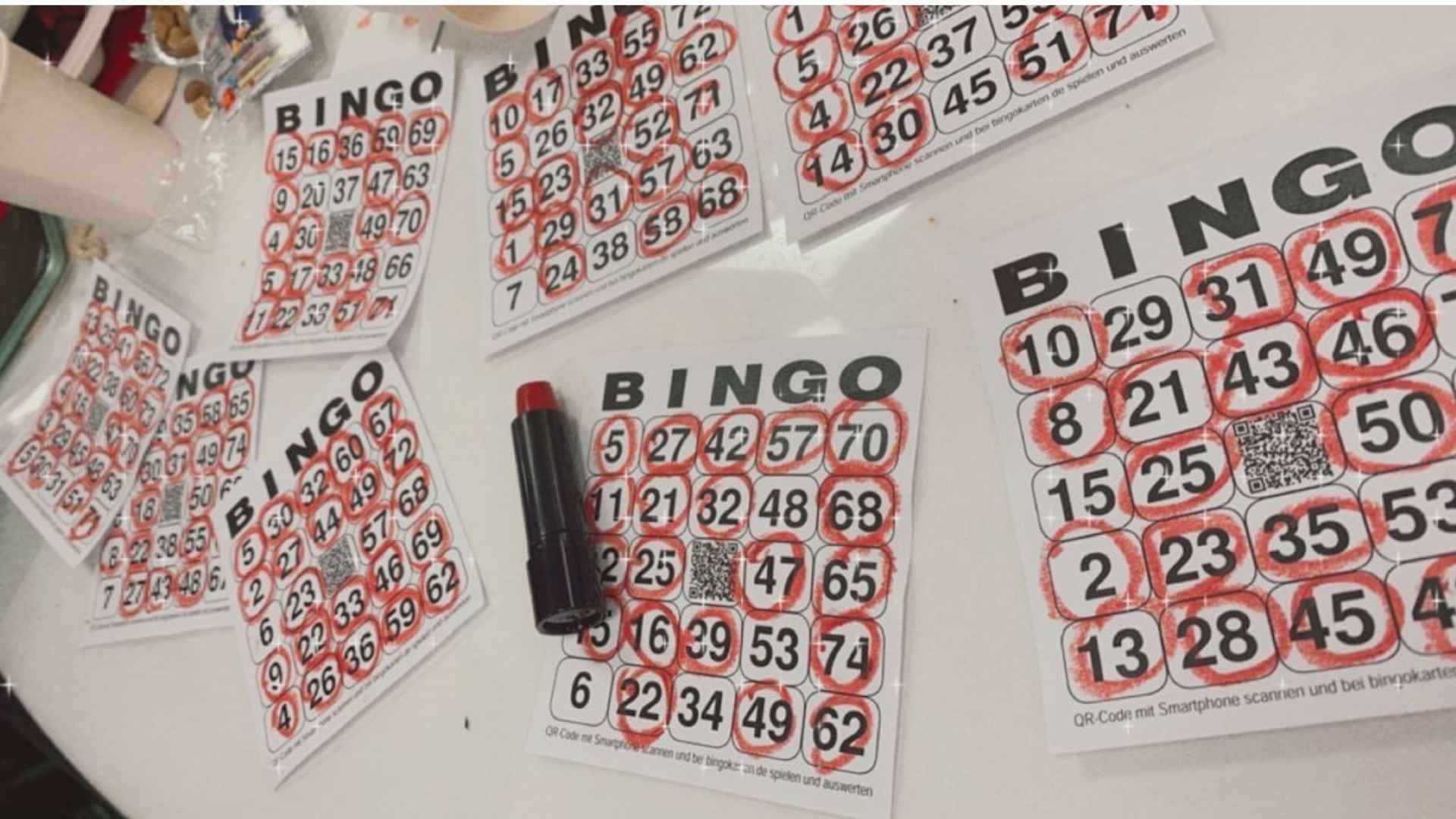
Many people purchase lottery tickets during weekly errands without considering whether the activity counts as a formal wager. Because lotteries are state-sanctioned and widely socially accepted, they are often viewed differently from standard casino games. However, analyzing the core elements of the game reveals how it aligns with broader definitions of financial risk.
Defining the Core Elements of Gambling
At its foundation, gambling requires three distinct components: a monetary consideration, an element of chance, and a potential prize. Purchasing a lottery ticket involves spending money for a chance to win a return, fulfilling all three conditions. Even though ticket costs are generally low, the fundamental structure remains identical to other wagering activities.
Unlike games that involve strategy or skill, lotteries rely entirely on random mathematical selection. Players cannot influence the outcome of a drawing regardless of the numbers they select or the frequency of their play. Understanding this randomness helps consumers distinguish between casual entertainment and games with manageable odds.
How Public Perception Separates Lotteries From Casinos
Government authorization and public fundraising initiatives have created a unique cultural status for lotteries. Proceeds are frequently directed toward public education, infrastructure, or community programs, giving ticket sales a philanthropic reputation. This positive association causes many participants to view their purchases as harmless community contributions rather than wagers.
Furthermore, digital platforms and informational portals like m88 highlight how modern gaming options span a wide range of formats and regulatory frameworks. While traditional venues emphasize immediate gameplay, lotteries operate on delayed gratification with scheduled drawings. This slow pace further distances lotteries from the fast-paced atmosphere typically associated with betting halls.
Probability and Financial Considerations for Players
From an economic standpoint, lottery tickets carry a significantly negative expected value compared to other financial decisions. The probability of hitting a major jackpot is exceptionally slim, often sitting at one in several hundred million. Despite these overwhelming odds, the low price per ticket makes participation feel financially insignificant to average buyers.
Behavioral economists note that individuals often buy tickets for the psychological value of anticipation and fantasy rather than realistic monetary expectations. Dreaming about financial freedom provides entertainment that many consider worth the nominal ticket cost. Recognizing this motivation helps individuals enjoy the experience without overspending.
Responsible Participation and Healthy Habits
Maintaining a clear distinction between casual entertainment and essential budgeting is crucial for regular ticket buyers. Setting strict personal limits ensures that ticket purchases do not interfere with necessary household expenses or savings goals. Treating ticket costs purely as discretionary spending prevents financial strain over time.
Ultimately, playing the lottery is legally and definitionally a form of gambling, regardless of its mainstream reputation. Acknowledging this reality allows participants to make informed decisions and enjoy drawings safely. Staying aware of the odds fosters a balanced approach to all forms of gaming.