The Global Sensation of Modern European Style Dice Games
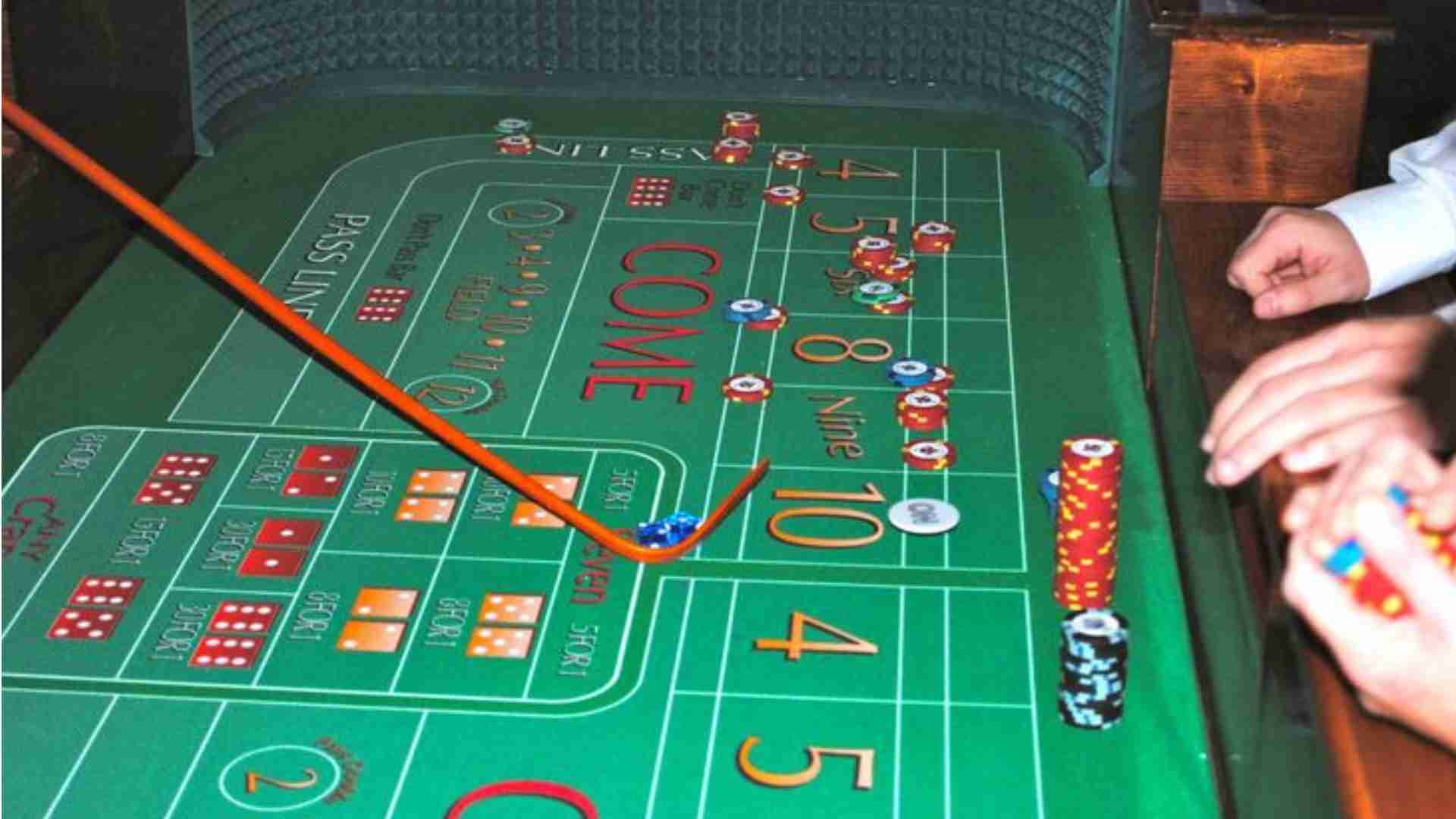
Modern European-style tabletop design has fundamentally transformed how gamers view dice mechanics in strategy board games. Rather than relying on simple luck to determine victory or defeat, these Eurogame designs utilize custom dice as dynamic tools for resource management and worker placement. This thoughtful shift has captivated tabletop enthusiasts worldwide, creating a vibrant international community dedicated to tactical gaming.
The Evolution of European Dice Mechanics
Traditionally, classic dice games relied heavily on roll-and-move systems or direct combat checks where high numbers won automatically. European game designers disrupted this paradigm by introducing mechanisms that prioritize player decisions over raw randomness. In modern Eurogames, rolling dice establishes available action choices rather than deciding player outcomes.
This structural change allows players to craft complex strategies even when faced with unexpected roll results. By shifting focus toward tactical adaptation, Eurogames offer satisfying intellectual challenges that keep players coming back. Consequently, players feel in control of their destiny rather than at the mercy of luck.
Mitigating Luck Through Strategic Design
One defining feature of European dice games is the inclusion of mitigation mechanics that empower players to alter their rolls. Through secondary resources, skill trees, or special abilities, gamers can frequently modify pip values or reroll dice. This ensures that bad luck rarely ruins a well-executed plan.
For instance, spending in-game currency or worker tokens to manipulate dice results turns unpredictable elements into calculated risks. Players who study tactical odds online, often sharing insight on platforms like m88 thai, appreciate how these options elevate competitive fairness. The emphasis remains firmly on long-term strategy and adaptability.
The Dynamic Appeal of Dice Placement
Dice drafting and dice worker placement have emerged as some of the most influential mechanisms in contemporary board game design. In these titles, dice act as multi-use pawns whose values dictate action strength, resource cost, or location access. Selecting a high die might grant powerful actions, while lower dice might provide valuable flexibility or secondary bonuses.
This creates constant tension as players balance their own priorities against opponent choices. Shared dice pools further enhance indirect player interaction without forcing aggressive elimination. The result is an engaging puzzle where every choice impacts the game state.
A Worldwide Cultural Phenomenon
The global popularity of Euro-style dice games continues to reach unprecedented heights as conventions and cafes introduce new audiences to the genre. Events like SPIEL Essen highlight groundbreaking releases that push the boundaries of custom components and theme integration. Families and hobbyists alike appreciate the accessible yet deep experiences these games offer.
As digital adaptations expand access even further, European dice mechanics are inspiring game developers across the globe. The movement has proven that rolling physical cubes can deliver sophisticated, brain-burning entertainment. Modern Eurogames continue to set the standard for elegant, luck-mitigated tabletop design.