Tag: https://boss29.news
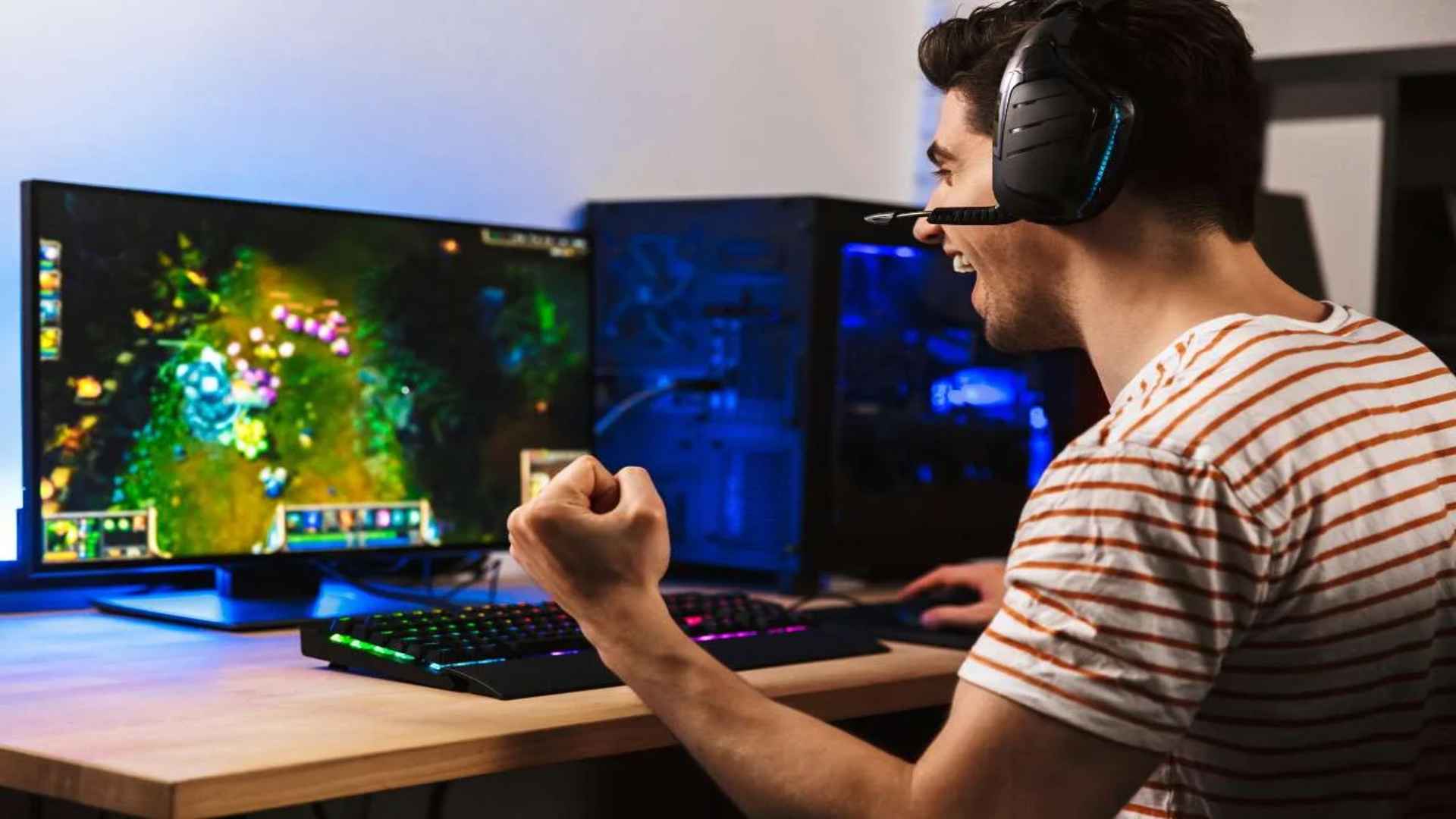
How To Follow Consecutive Hands During Fast Gameplay
Keeping up with back-to-back card deals in a high-speed casino setting requires focused concentration and structured observation. When round times are condensed, players must process dealer movements and card values within mere seconds. Developing a systematic approach helps participants maintain visual clarity without falling behind the rapid flow of the game.
Understanding the Flow of Accelerated Rounds
Fast-paced gaming tables eliminate long pauses to deliver continuous action from one deal to the next. Because the dealer resolves each outcome rapidly, players need to recognize card values immediately upon display. Anticipating the standard resolution sequence allows you to track results smoothly without second-guessing previous decisions.
A helpful technique involves focusing on total point values rather than calculating individual card additions during the draw. Training your sight to quickly total natural hands reduces mental workload between consecutive deals. This streamlined focus ensures you stay aligned with the live momentum without missing crucial betting intervals.
Utilizing Visual Cues and Interface Features
Digital table layouts provide helpful visual tools designed to keep players informed across consecutive gaming cycles. Dynamic displays update board histories instantly, showcasing winning patterns and deal metrics without delaying the active round. Monitoring these automated displays helps you verify outcomes at a single glance.
For those who prefer accessing streamlined platforms, seeking reliable access portals like boss toto alternatif ensures smooth connections to optimized gaming interfaces. Clean display screens minimize visual clutter, making it easier to follow fast dealer distribution. Utilizing intuitive layouts allows you to track continuous hands without experiencing digital distraction.
Managing Focus Across Multiple Deals
Sustaining high mental sharpness across dozens of rapid rounds can be challenging without proper pacing techniques. Mental fatigue often leads to delayed reaction times, causing players to lose track of recent card sequences. Fixing your gaze on specific dealer action zones helps keep your attention steady throughout long sessions.
Taking short, intentional pauses after a fixed sequence of hands prevents cognitive overload. Stepping back for even two consecutive rounds allows your vision to recalibrate before rejoining the active table flow. This simple habit keeps your observation sharp and improves overall awareness during high-velocity play.
Establishing a Consistent Tracking Routine
A structured routine converts fast-moving table activity into an easily digestible rhythm. Before each new round begins, take note of the primary score marker and reset your attention for the incoming cards. Establishing this steady mental rhythm prevents you from dwelling on past outcomes while current cards are being dealt.
By combining clear visual tracking with disciplined session habits, players can comfortably follow every consecutive deal. Staying organized keeps the fast-paced environment structured and clear. Developing this measured approach ultimately transforms rapid gaming sequences into a smooth, manageable experience.
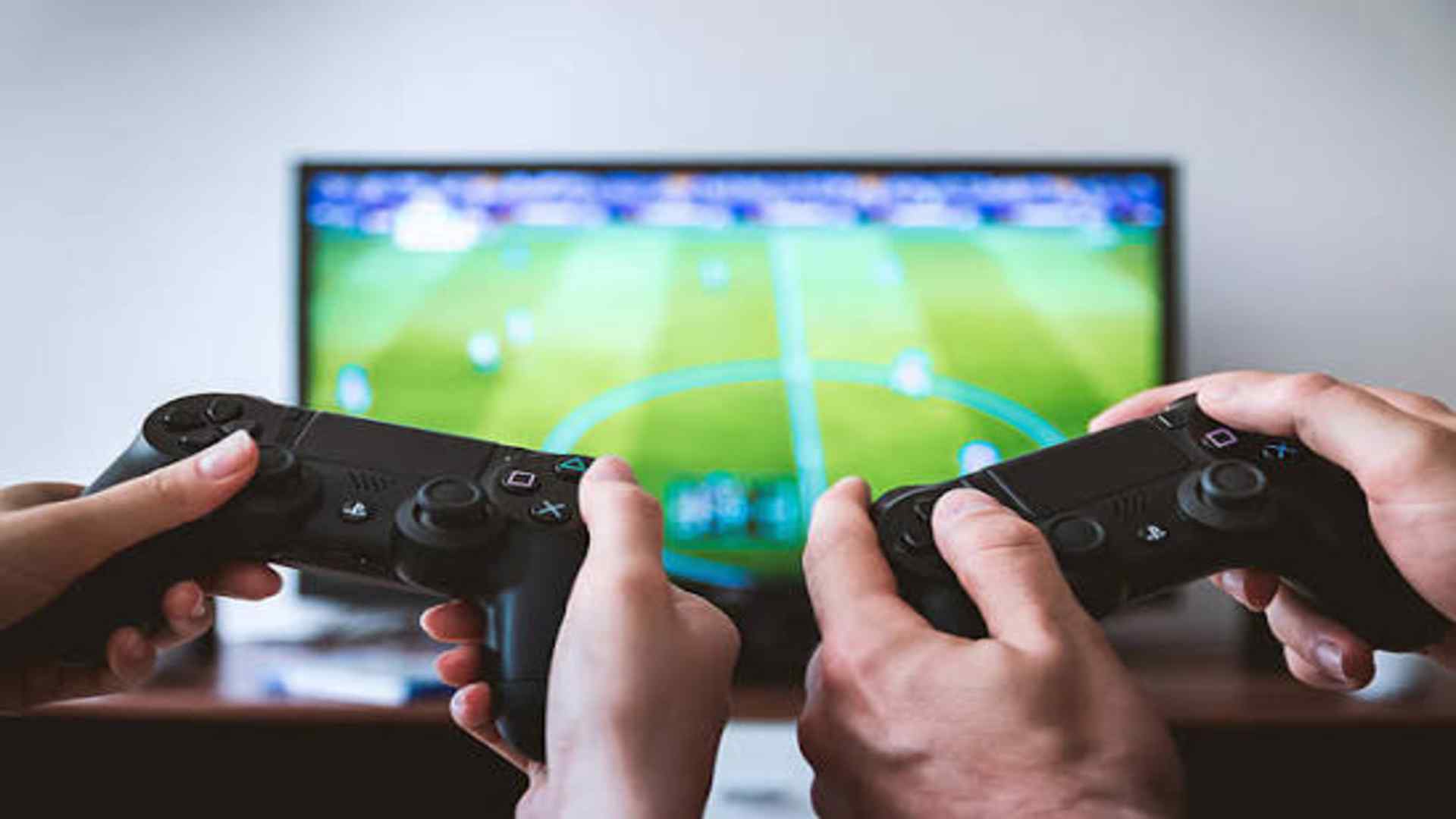
The Mental Effects Of Playing Poker Alone
Playing poker in isolation significantly alters how individuals process strategic decisions and handle emotional stress. Without physical opponents present, players must rely entirely on internal feedback loops to evaluate their choices and manage focus. Understanding the psychological nuances of solitary gaming helps enthusiasts maintain balance while sharpening their analytical skills.
The Psychological Shifts of Solitary Gameplay
When individuals engage in solo poker sessions, the absence of direct social interaction changes the mental environment. Players focus more heavily on statistical probabilities and card patterns rather than reading subtle physical tells. This intense analytical concentration can increase mental stamina, but it also elevates cognitive fatigue over time.
Without a live audience or table chatter, the brain experiences fewer external distractions during critical hands. However, the lack of real-time social engagement means players must generate their own motivation and discipline. Developing self-awareness becomes essential for recognizing when concentration begins to decline during extended sessions.
Managing Emotional Reactions Without External Support
Experiencing a difficult loss while playing alone can amplify feelings of frustration and stress. In a live setting, subtle social cues and brief conversations often help neutralize emotional tension after a bad beat. In solitary environments, players must develop internal coping strategies to prevent frustration from damaging their strategic judgment.
Many enthusiasts explore diverse online options like boss toto alternatif to observe different digital formats and refine their personal routines. Practicing mindfulness and setting strict break schedules can prevent emotional tilt during solo play. Learning to remain objective ensures that temporary setbacks do not undermine long-term decision quality.
Cognitive Overload and Decision Fatigue
Solo poker often involves faster game speeds and higher hand volumes than traditional live games. Processing vast amounts of strategic data in rapid succession places heavy demands on working memory and executive functioning. Over time, this accelerated pace can lead to decision fatigue, causing subtle declines in risk assessment.
To mitigate cognitive exhaustion, players should structure their sessions with defined limits and deliberate rest intervals. Short pauses allow the mind to reset, restoring the focus necessary for high-level tactical thinking. Maintaining a healthy balance between intensity and recovery protects overall mental clarity.
Building Self-Reliance and Analytical Discipline
Ultimately, playing poker alone serves as an effective testing ground for personal accountability and strategic independence. Players learn to trust their own calculations and evaluate outcomes without relying on validation from others. This independent mindset fosters deep resilience that translates well into all competitive environments.
By monitoring mental fatigue and practicing deliberate emotional management, individuals can maximize the cognitive benefits of solitary practice. Treating each session as a structured learning exercise builds lasting confidence and strategic mastery. Sustainable progress relies on combining analytical rigor with steady psychological awareness.